Classification Of Particle Board
Jul 16, 2022
According to the particleboard structure, it is divided into: single-layer structure particleboard; three-layer structure particleboard; gradient structure particleboard; oriented strand board; waffle particleboard; molded particleboard.
According to the manufacturing method: flat-pressed particleboard; extruded particleboard. According to the raw materials used: wood particle board; bagasse particle board; flax particle board; cotton stalk particle board; bamboo particle board, etc.; cement particle board; gypsum particle board.
According to surface condition:
1. Unfinished particleboard: sanded particleboard; unsanded particleboard.
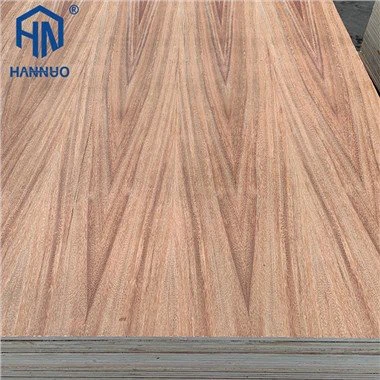
2. Veneer particleboard: impregnated paper veneer particleboard; decorative laminate veneer particleboard; veneer veneer particleboard; surface finishing particleboard; PVC veneer particleboard, etc.
Particleboard is divided into three types according to the product: low density (0.25-0.45 g/cm3), medium density (0.45-0.60 g/cm3), and high density (0.60-1.3 g/cm3). 0.60 ~ 0.70 g/cm3 particleboard. According to the slab structure, it is divided into three types: single-layer, three-layer (including multi-layer), and gradient. According to the water resistance, it is divided into indoor water resistance and outdoor water resistance. According to the arrangement of the shavings in the slab, there are two types: directional type and random type. In addition, there are various particle boards made of non-wood materials such as cotton stalks, hemp stalks, bagasse, rice husks, etc., as well as cement wood wool boards and cement particle boards made of inorganic adhesive materials. There are many specifications of particleboard, and the thickness ranges from 1.6 mm to 75 mm, with 19 mm as the standard thickness. When evaluating the quality of particleboard, the physical properties often considered are density, moisture content, water absorption, thickness expansion rate, etc., and mechanical properties include static bending strength, vertical board surface tensile strength (internal bonding strength), nail-holding force elasticity Modulus and rigidity modulus, etc., the process properties include machinability, gluing, paint finishing, etc. For special-purpose particleboard, the electrical, acoustic, thermal and anti-corrosion, fire-retardant, flame-retardant and other properties should be considered according to different uses.