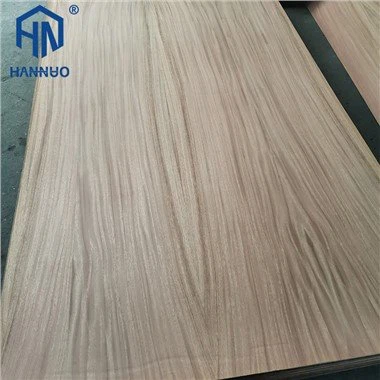
Classification Of Plywood
Jul 08, 2022
Plywood is divided into ordinary plywood (plywood for a wide range of uses) and special plywood (plywood for special purposes).
The quality requirements of plywood include appearance grade, size, physical and mechanical properties.
Appearance grade, size, physical and mechanical properties of the three inspections are qualified to judge the product as a qualified product, otherwise it is judged as unqualified. When the plywood leaves the factory, it should have a product quality appraisal certificate issued by the quality inspection department of the manufacturer, indicating the type, specification, grade, bonding strength and moisture content of the plywood.
(1) Specifications and dimensions of ordinary plywood The thickness of plywood is 2.7mm, 3.3mm, 4.5mm, 5.5mm, 6mm..... From 6mm onwards, in increments of 1mm. Thin plywood with thickness below 4mm. 3mm, 3.5mm and 4mm thick plywood are common specifications. Plywood of other thicknesses shall be produced upon agreement between the supplier and the buyer.
(2) Appearance grade Ordinary plywood is divided into four grades according to the visible material defects and processing defects on the plywood after processing: special grade, first grade, second grade, and third grade. Among them, the first, second and third grades are the main grades of ordinary plywood. .
The panels of the above four grades should be sanded (scraped) smooth, and those with special needs may be sanded (scraped) smooth on both sides or on both sides. Sanded plywood refers to plywood that has been sanded (or scraped) by a sander (or scraper). Generally, the grade is determined by visual inspection of the allowable defects on the plywood. The grade depends on the allowable material defects, processing defects, and requirements for splicing, etc.